
What is Response?
Response is primarily about protecting life, critical infrastructure, property and the environment.
Response involves actions taken in anticipation of, during, and immediately after an emergency to minimise its effects.
A key feature of response is the provision of timely warnings and information to enable the community to act to protect themselves.
| ❯ | First responders to an emergency are often the local community and local emergency responders. |
| ❯ | Response arrangements include systems for incident management, unity of command and coordination, and effective communication. |
| ❯ | Response arrangements are scalable and flexible. |
Command, Control and Coordination
Successful emergency management response relies on clear command, control and coordination arrangements. These functions help organisations manage resources, make decisions and work together during emergencies.
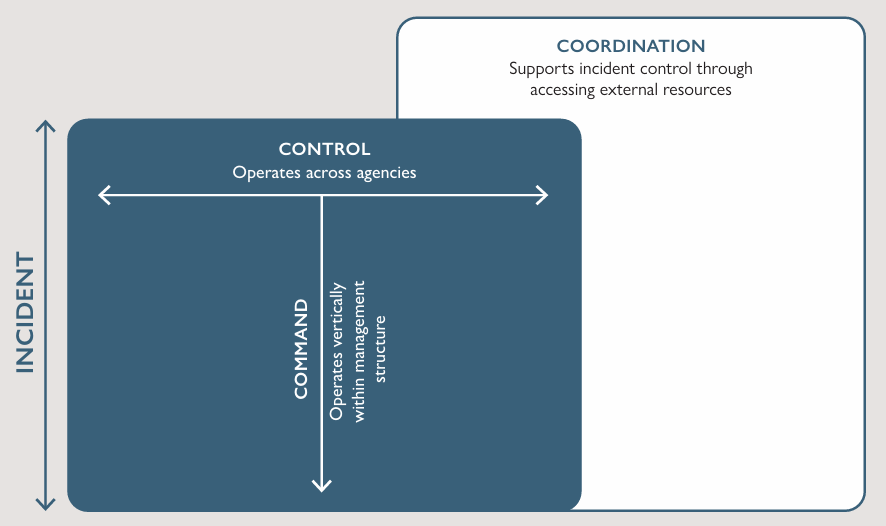
| ❯ | Command relates to the internal direction of an organisation’s personnel and resources |
| ❯ | Control involves directing emergency response activities to achieve identified objectives |
| ❯ | Coordination brings together organisations, resources and information to support a unified and efficient response |
Major emergencies often involve multiple organisations working towards a common objective. Clear command, control and coordination arrangements support effective decision-making, efficient use of resources and a coordinated response to community needs.
Key Response Activities
Public Information and Warnings
Providing timely, accurate and relevant information to the community is a critical component of emergency response. Effective public information and warnings help people understand risks, make informed decisions and take appropriate action to protect themselves, their families, property and communities.
Public information and warnings support community safety by:
| ❯ | Communicating the nature and severity of a threat |
| ❯ | Providing advice on protective actions |
| ❯ | Supporting informed decision-making |
| ❯ | Reducing confusion and misinformation |
| ❯ | Building public confidence and trust during emergencies |
Examples of public information and warning activities include:
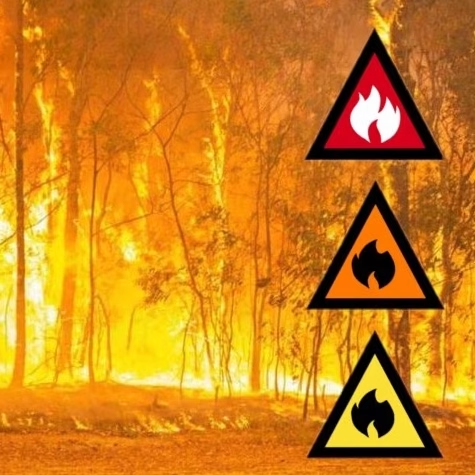
Emergency warnings
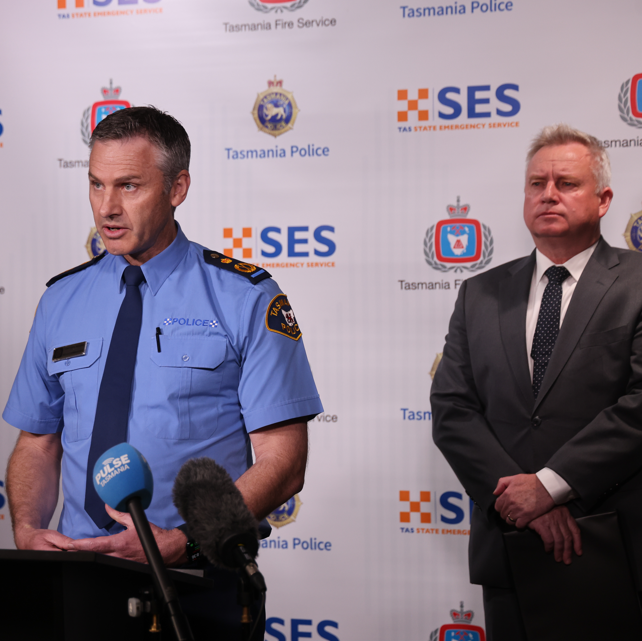
Media briefings
Social media

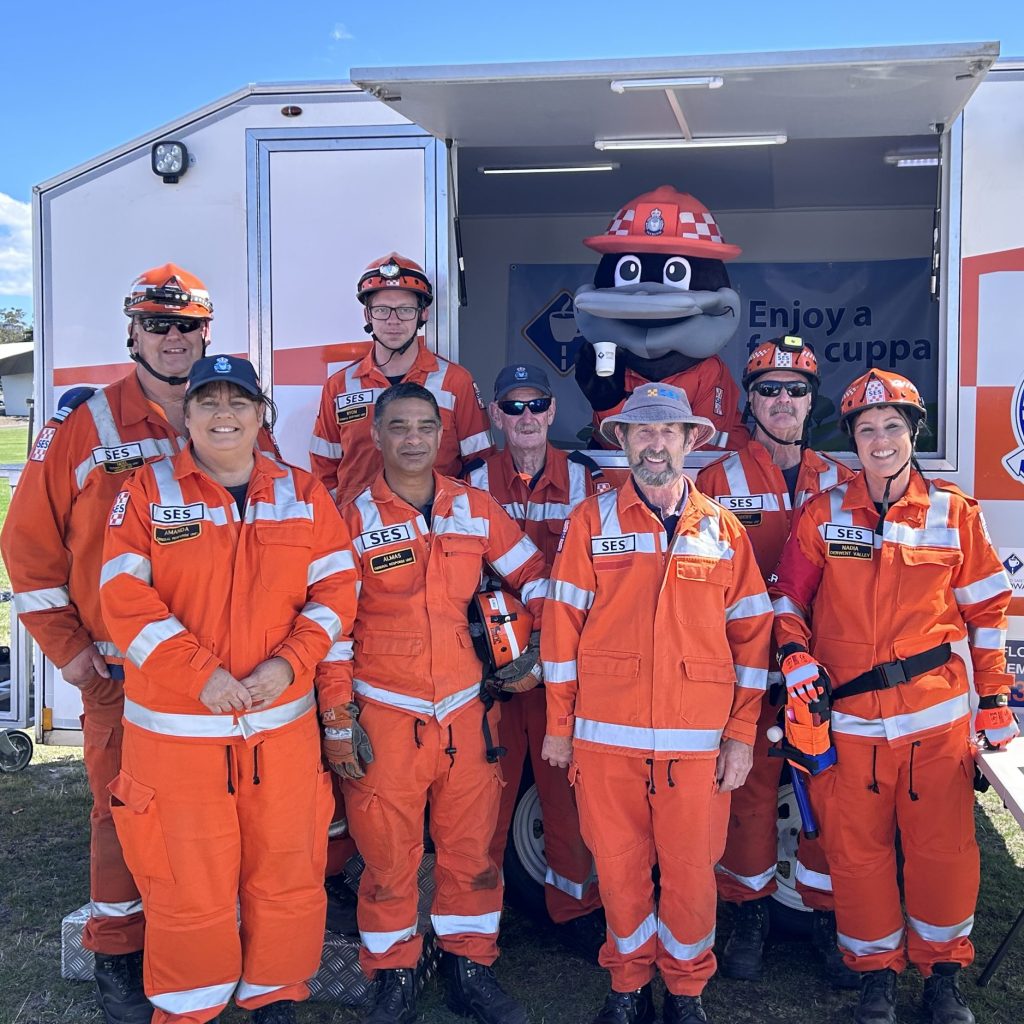
Community meetings
Incident Management
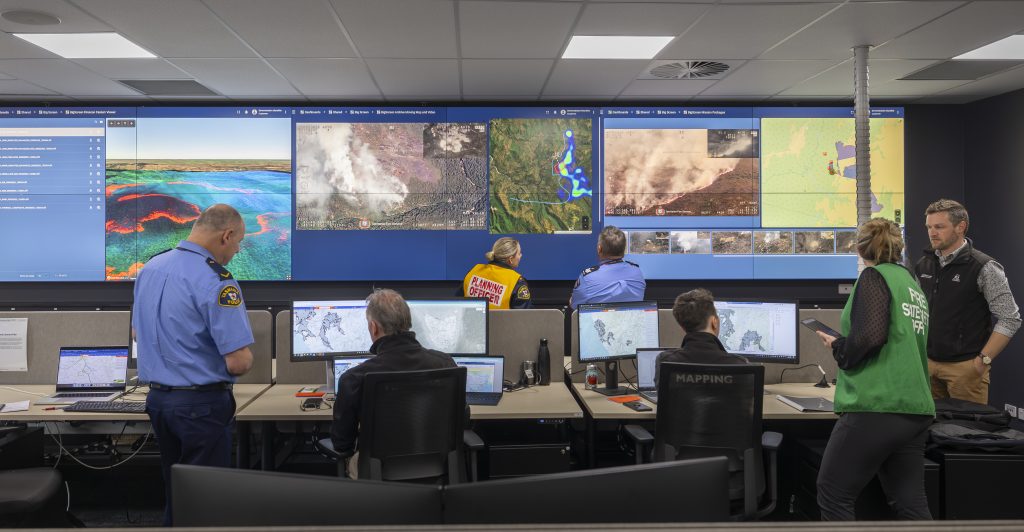
Effective response requires the coordinated management of people, resources, information and activities. Incident management includes the activities undertaken to:
| ❯ | Prepare for an effective response to an incident |
| ❯ | Respond to an incident |
| ❯ | Enable an effective transition to recovery |
The complexity of incident management arrangements may vary depending on the size and nature of the emergency. Response arrangements should be flexible, scalable and adaptable to changing circumstances.
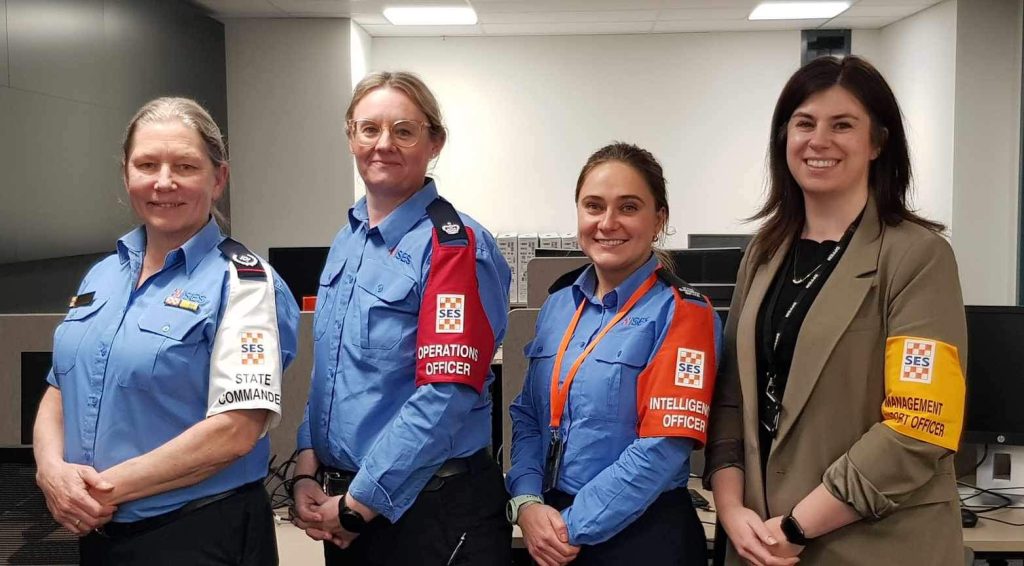
Australasian Inter-service Incident Management System (AIIMS) In Australia, emergency services commonly use AIIMS as an incident management team structure. AIIMS provides a scalable and flexible framework for managing emergencies and supports effective coordination between agencies and organisations.
Operational Response
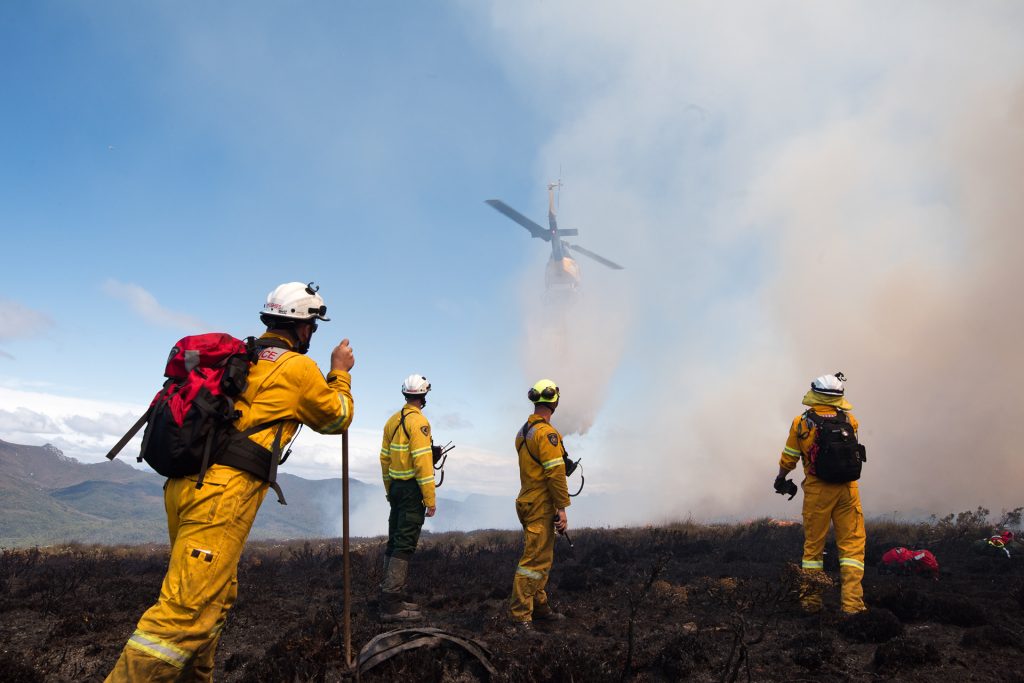
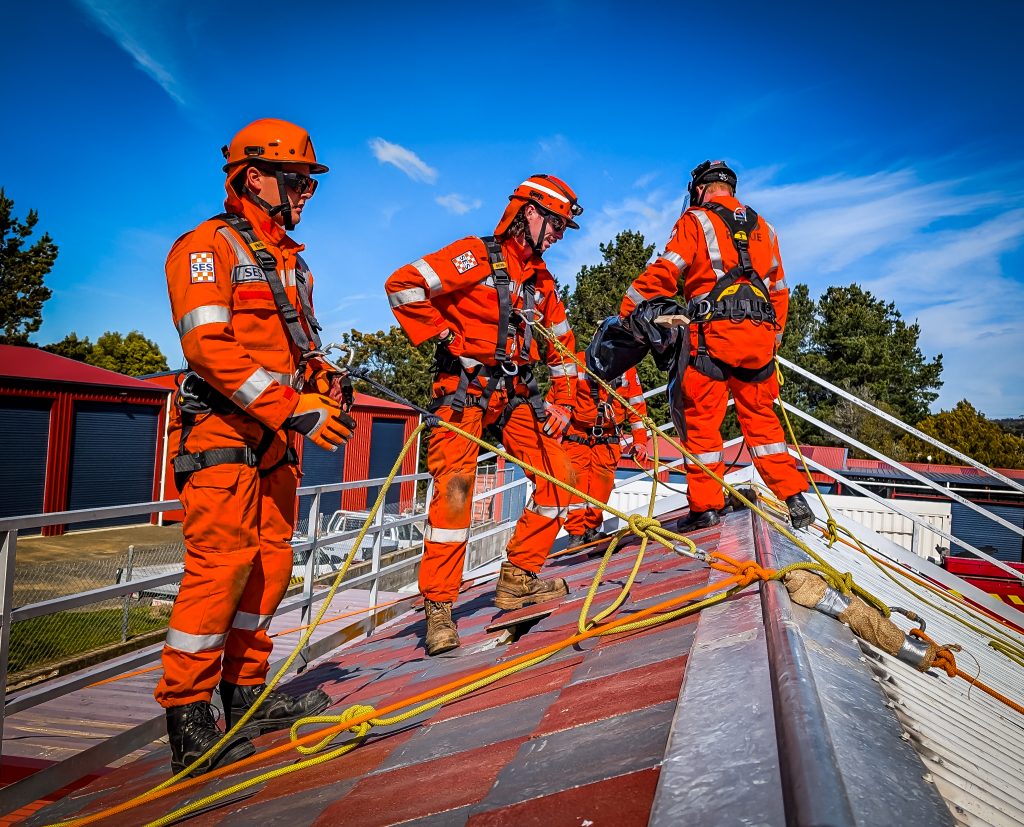
Response activities are undertaken to protect life, property, the environment and communities during and immediately after an emergency. The nature of response activities will vary depending on the hazard, its impacts and the needs of affected communities.
Examples include:
| ❯ | Firefighting |
| ❯ | Search and rescue |
| ❯ | Flood response operations |
| ❯ | Hazardous material response |
| ❯ | Public health response |
Consequence Management
Consequence management involves actions taken to manage and reduce the impacts of an emergency on people, communities, infrastructure, the economy and the environment. These activities help address immediate needs, support community wellbeing and minimise disruption caused by the emergency.
Examples include:
| ❯ | Coordinating support to protect and restore critical infrastructure and essential services |
| ❯ | Managing resources to address the consequences of an emergency |
| ❯ | Supporting displaced populations |
| ❯ | Determining strategies to resolve the consequences of an emergency |
| ❯ | Providing relief support to affected communities |
Response and Recovery
Response and recovery are closely connected.
While response focuses on managing the immediate impacts of an emergency, planning for recovery often begins during the response phase. Early consideration of recovery needs can help communities recover more effectively after an emergency.
Further Reading