
What is Preparedness?
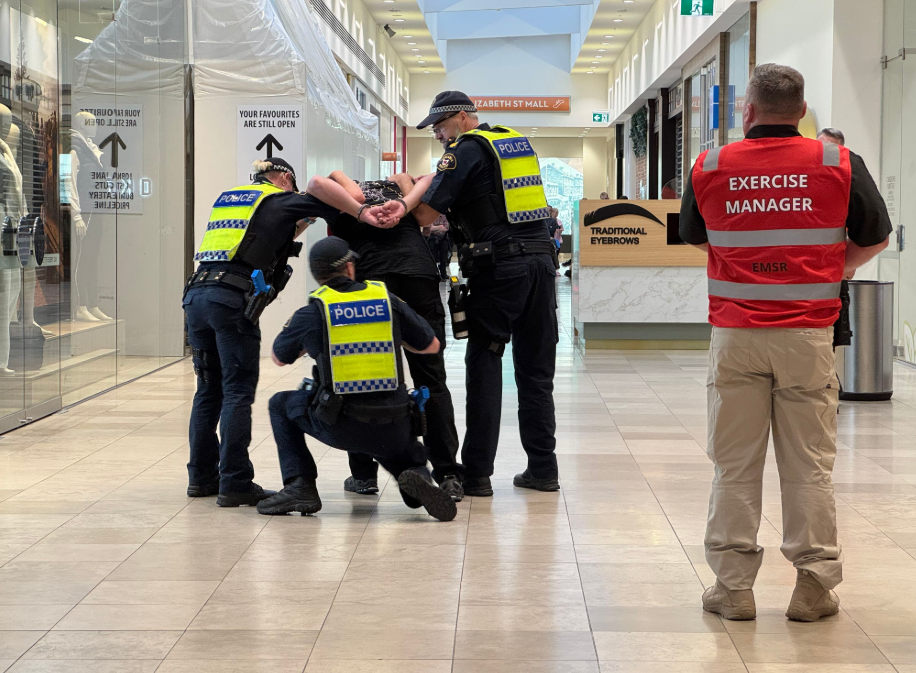
Preparedness is the ability to be ready for, or to anticipate action, in response to or recovery from the risk of an emergency occurring.
Preparedness involves actions to ensure that, as the risk increases or when an emergency happens, communities, resources and services are available and capable of taking appropriate actions for response and recovery.
Preparedness focuses on building capability, developing plans, maintaining resources and strengthening the knowledge and skills needed to manage emergencies.
Why is Preparedness Important?
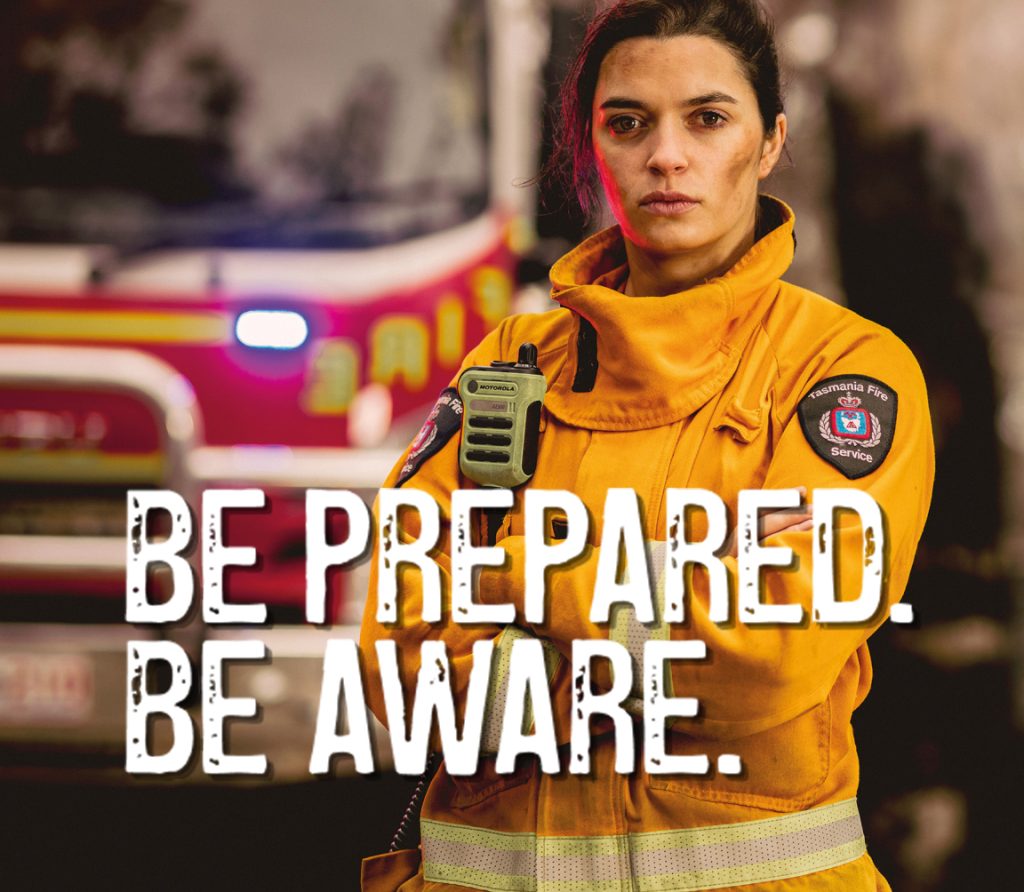
Effective preparedness helps reduce the impacts of emergencies and supports a more coordinated response and recovery effort. Preparedness activities can:
| ❯ | Improve emergency management capability |
| ❯ | Strengthen community resilience |
| ❯ | Support effective decision-making |
| ❯ | Improve response coordination |
| ❯ | Reduce the impacts of emergencies |
| ❯ | Support recovery activities |
Preparedness Activities
Examples of preparedness activities include:
Planning and Training
Community Preparedness
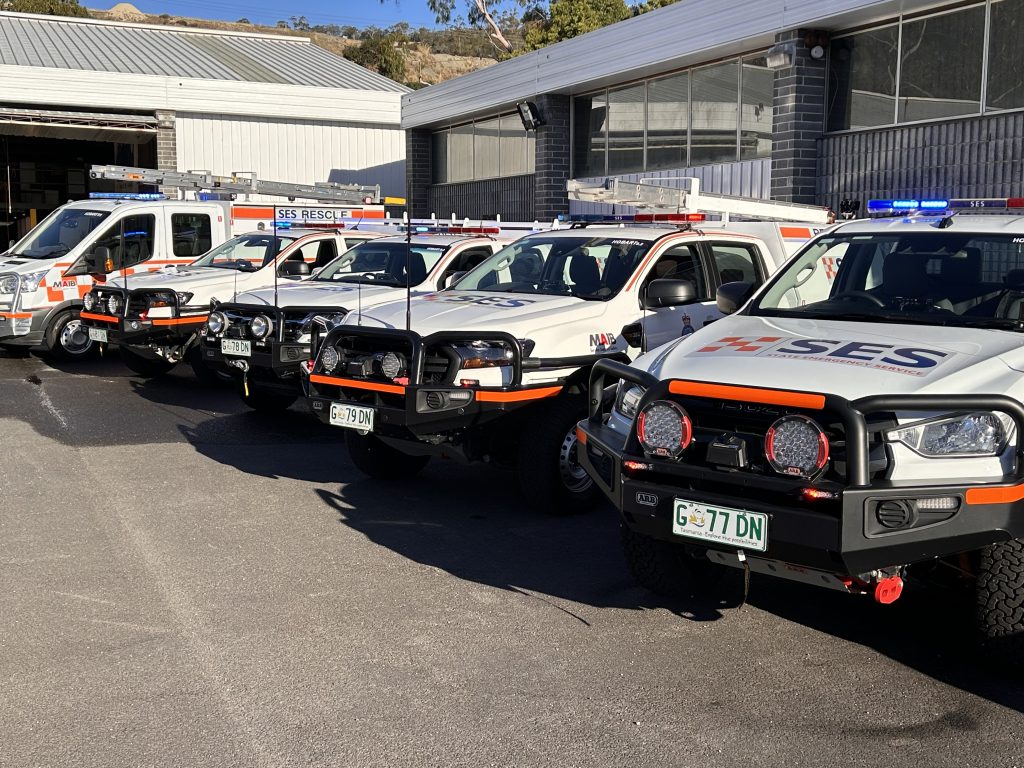
Capability and Resources
Warnings and Communication
Government agencies will individually and collectively prepare for known, potentially dangerous conditions. Preparedness for disasters also occurs in businesses, industry (including primary producers), the community, neighbourhoods, families and individuals.