
What is Prevention and Mitigation?
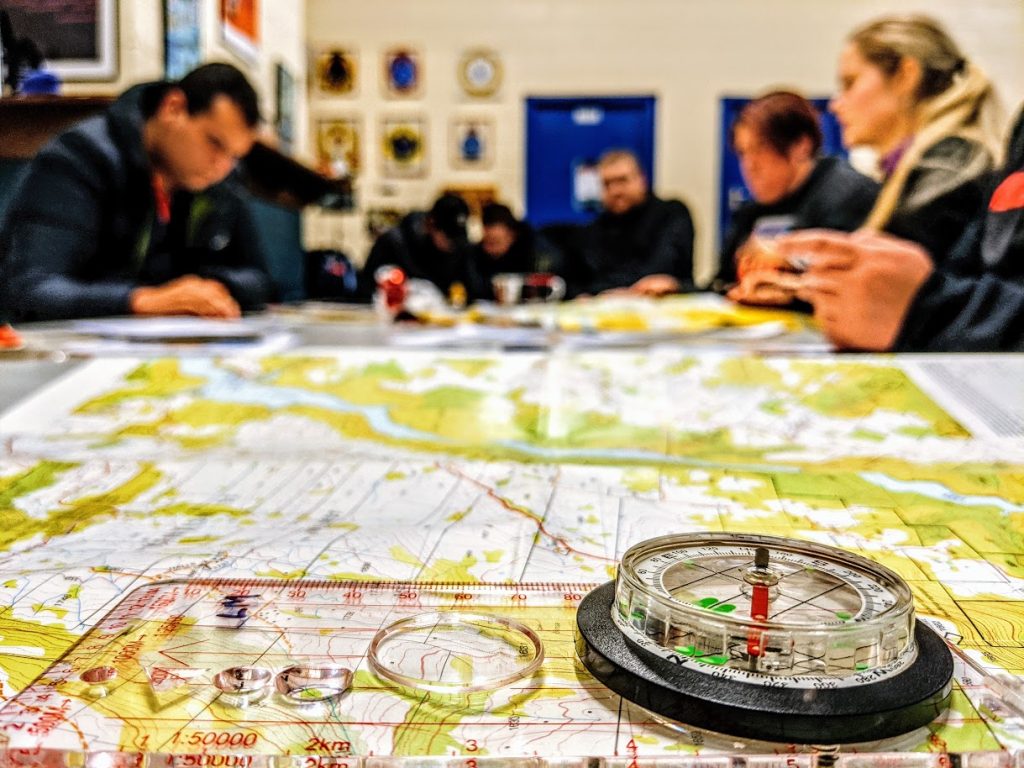
Building capability and capacity is an important mitigation strategy including developing skill and knowledge sets, and tangible resources.
Prevention and mitigation are activities undertaken before an emergency occurs to reduce the likelihood of an emergency happening or to lessen its impacts on people, property, infrastructure, the environment and the economy.
While some hazards cannot be prevented, many risks can be reduced through proactive planning, risk management and resilience-building activities.
| ❯ | Prevention focuses on avoiding or eliminating risks where possible. |
| ❯ | Mitigation focuses on reducing the impacts and consequences of risks that cannot be eliminated. |
Together, these activities help build community resilience and reduce the consequences of future emergencies.

Prevention and Mitigation Activities
Examples of prevention and mitigation activities include:
Reducing Exposure to Risk
Reducing Consequences
Building Community Awareness
Reducing disaster risk is everybody’s business!
| ❯ | Prevention and mitigation activities are a shared responsibility – everybody has a role in the community. |
| ❯ | Land owners’ decisions and actions are often key to reducing risks. They play key roles in prevention and mitigation actions for their own benefit, and for the broader safety of their communities. |
| ❯ | Hazard reduction activities and priorities should be informed by risk assessment. |
Government agencies at all levels undertake prevention programs as part of their day-to-day functions within the scope of their responsibilities.
Why are Prevention and Mitigation Important?
Preventing or reducing the impacts of emergencies is often more effective and less costly than responding to and recovering from them. Effective prevention and mitigation activities can:
| ❯ | Reduce the likelihood of emergencies occurring. |
| ❯ | Minimise harm to people and communities. |
| ❯ | Protect critical infrastructure and services. |
| ❯ | Reduce economic losses. |
| ❯ | Strengthen community resilience. |
| ❯ | Support safer and more sustainable communities. |
By reducing risk before an emergency occurs, communities are better positioned to withstand and recover from disruptive events.
Costs of disasters are growing
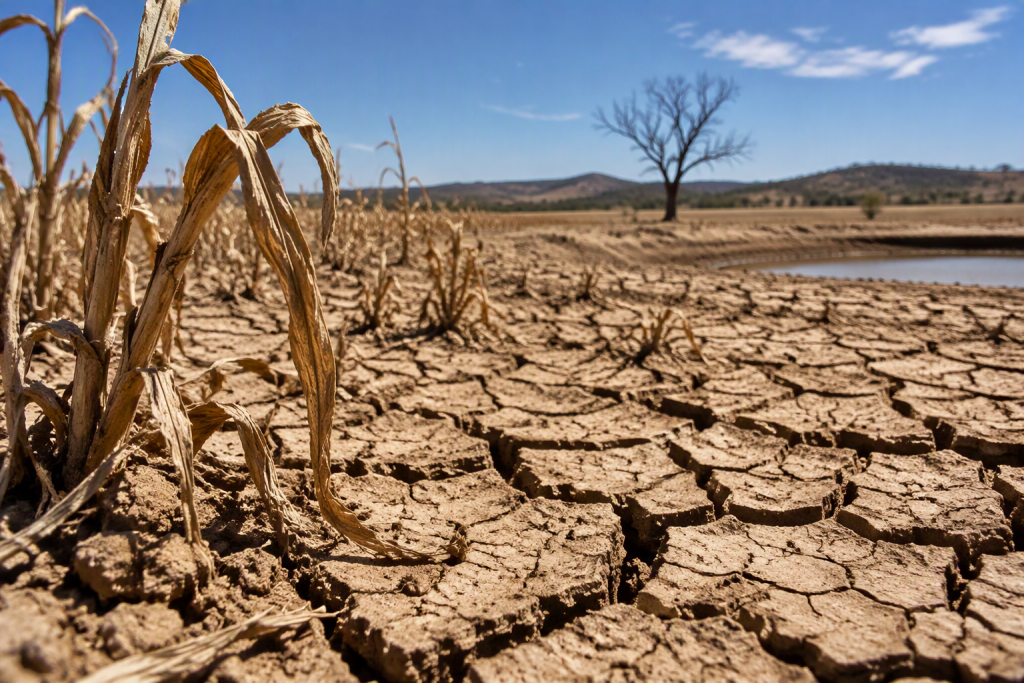
The Insurance Council of Australia estimates bushfires, cyclones, and floods are costing Australian homeowners around $4 billion each year, from a combination of both insured and uninsured losses, mental health impacts, and loss of housing and employment. Costs are rising as the climate changes and hazards become more frequent and severe.
การบริหารความเสี่ยง
Prevention and mitigation are closely linked to risk management. Emergency management organisations use risk management processes to:


Why Understanding Risk Matters
Understanding risk helps governments, organisations and communities make informed decisions about where to focus effort and resources. Risk information supports prevention and mitigation activities, guides preparedness measures, and informs emergency planning and decision-making.
By understanding risk, organisations can identify priorities, allocate resources effectively and implement strategies that reduce the likelihood and consequences of emergencies.
Disaster Risk Reduction
Watch the following video for Australia’s approach to disaster risk reduction:
International emergency management approach
The Sendai Framework for Disaster Risk Reduction 2015–2030 provides a global approach to understanding risk, strengthening resilience and reducing disaster impacts. Australia’s emergency management arrangements align with these principles through national and state disaster risk reduction and resilience initiatives. See below for further reading.
Further reading