

การตอบสนองส่วนใหญ่มีไว้เพื่อปกป้องชีวิต โครงสร้างพื้นฐานที่สำคัญ ทรัพย์สิน และสิ่งแวดล้อม.
Response in Tasmania
Response activities aim to minimise the impacts of emergencies and provide immediate assistance to affected communities.
In Tasmania, response is delivered through established arrangements that support incident management, hazard response, interagency coordination, public information and warnings, consequence management, and relief activities.
This topic focuses on how operational response activities are coordinated in Tasmania, including incident management arrangements, Response Management Authorities, support agencies, coordination facilities and information management systems.
Response Management Authorities
Under Tasmania’s emergency management arrangements, designated organisations are assigned responsibility for coordinating the response to specific hazards and emergency functions. These organisations are known as Response Management Authorities (RMAs).
Response Management Authorities are responsible for activities such as protecting life, property and the environment, deploying and coordinating response resources and issuing warnings and public information
Response activities are guided by agency doctrine and emergency management plans at the municipal, regional and state levels. Support agencies work alongside the RMA to provide specialist expertise, resources and assistance during the response and transition to recovery.
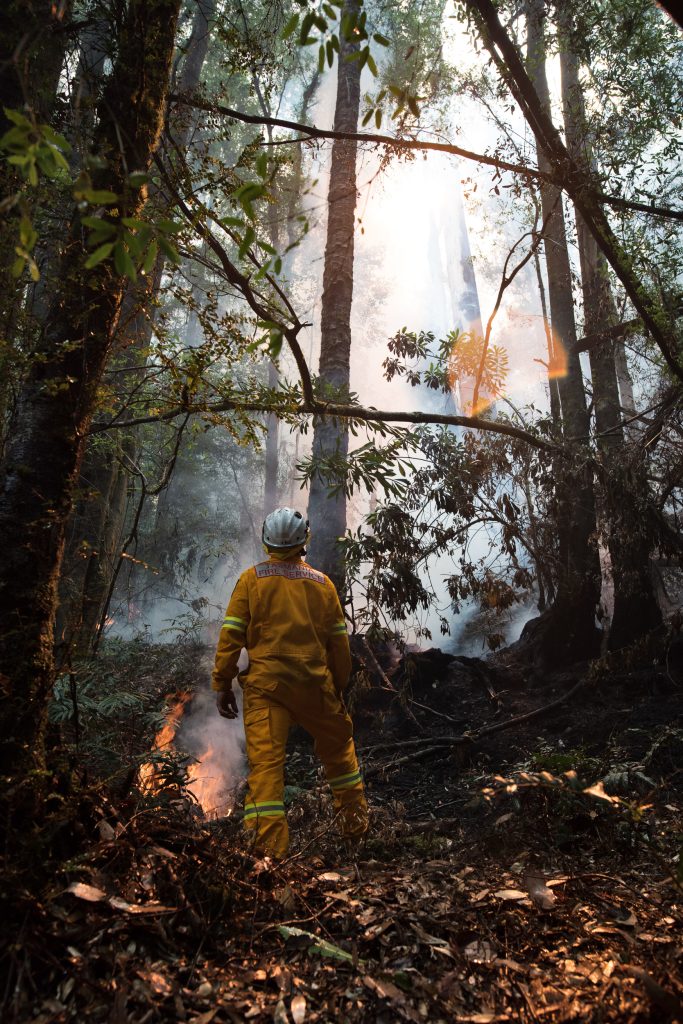
The table below provides examples of Response Management Authorities responsible for coordinating the response to some of Tasmania’s key hazards:
| ❯ | Fire – Urban, Structural and Private Rural Land |
| ❯ | Hazardous Materials (including Radiological Incidents) |
| ❯ | Building Collapse |
| ❯ | Flood (Flash and Riverine) |
| ❯ | Storm and Severe Weather |
| ❯ | Coastal Inundation |
| ❯ | Train, Plane and Marine Crash |
| ❯ | Terrorism |
| ❯ | เขื่อนวิบัติ |
| ❯ | สึนามิ |
| ❯ | Department of Premier and Cabinet (DPAC) – Cyber Security |
| ❯ | Department of Health (DoH) – Heatwave |
| ❯ | Department of State Growth (DSG) – Infrastructure Failure (Roads and Bridges) |
| ❯ | Department of Health (DoH) – Public or Environmental Health |
| ❯ | Department of Police, Fire and Emergency Management (DPFEM) – Space Debris |
Response Management Authorities (RMAs) are one of the most important elements of Tasmania’s response arrangements because they are responsible for leading and coordinating the response to nominated hazards and emergency functions.
การจัดการเหตุการณ์
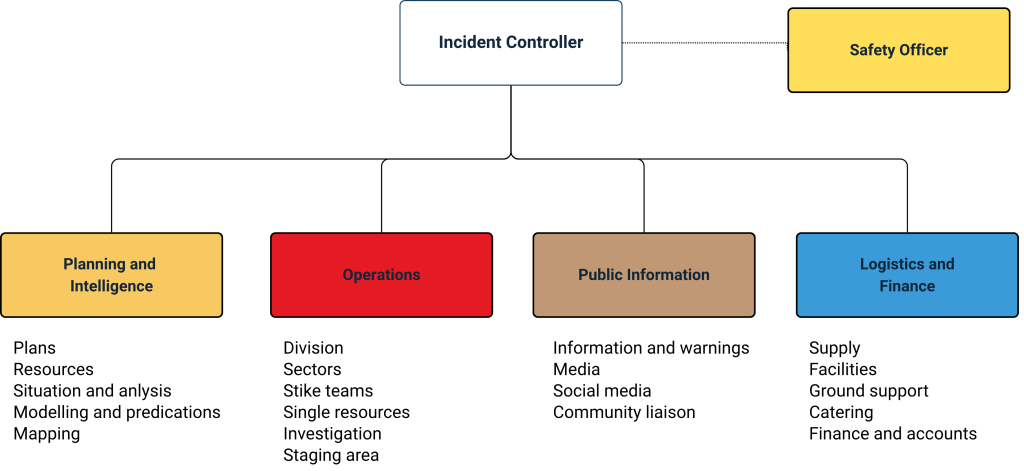
Tasmania’s emergency services and emergency management organisations use incident management systems to support coordinated emergency response activities. A number of incident management systems are used in different sectors in Tasmania.
| ❯ | Most agencies use the Australasian Inter-Service Incident Management System™ (AIIMS™) |
| ❯ | Tasmania Police use the Incident Command and Control Structure Plus (ICCS Plus) |
| ❯ | Natural Resources and Environment use the Biosecurity Incident Management System (BIMS) |
Although organisational structures may vary, AIIMS is widely used across Tasmania and provides a common framework that supports coordination, interoperability and information sharing between agencies during emergencies.
The AIIMS structure is scalable and may be expanded or reduced depending on the complexity of the incident. While not all functions will be activated for every incident, the AIIMS structure provides a common framework for incident management across many emergency services and emergency management organisations in Tasmania.
Incident Classification Model
AIIMS uses an incident classification model which identifies three levels of incident response, from one to three, in ascending order of complexity:
| ❯ | Level 1 – Can be resolved through the use of local or initial response resources using normal management procedures. |
| ❯ | Level 2 – May be more complex in size, resource requirements or risk and often requires additional resources, sectorisation of the incident, establishment of functional services, or a combination of these arrangements. |
| ❯ | Level 3 – Characterised by significant complexity, often requiring the coordination of multiple agencies and activities over an extended period. These incidents may require substantial whole-of-government coordination of response and recovery activities. |
ระดับเหตุการณ์ของ AIIMS ไม่จำเป็นต้องปรับให้เข้ากับระดับสามระดับของแผนการจัดการเหตุฉุกเฉินของแทสเมเนียได้พอดีหรือไม่ว่าจะเป็นอันตรายบางประเภทและระดับเหตุการณ์ที่เพิ่มสูงขึ้น ระดับเหตุการณ์ยังสะท้อนถึงความซับซ้อน ความเสี่ยง และความต้องการทรัพยากร.
Incident Management is explored more in Module 4.
As incidents increase in complexity, additional emergency management arrangements may be activated to support coordination. Depending on the impacts and resource requirements, emergency management activities may be coordinated at municipal, regional or state levels. This will be explored more on the next page “Consequence Management”.
Operational Response
Response activities are undertaken to protect life, property, infrastructure, essential services and the environment.
Initial actions are often undertaken by those closest to the emergency, including individuals, asset owners, operators and local responders. As the situation develops, the designated Response Management Authority assumes responsibility for coordinating response activities and deploying resources in accordance with emergency management arrangements and agency doctrine.
Response Coordiation Facilities
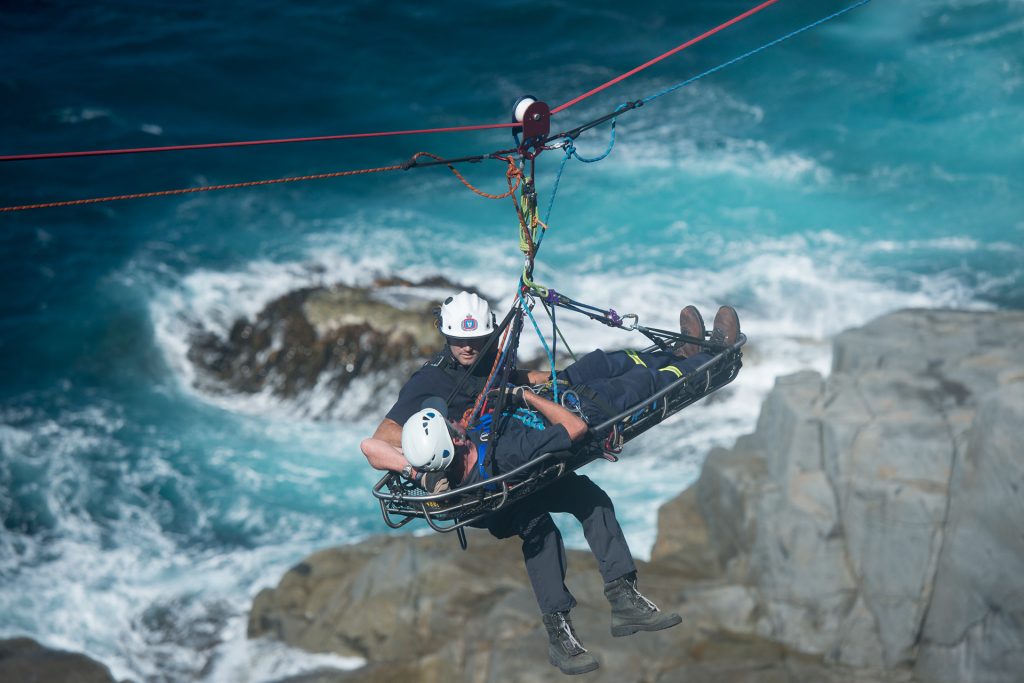
A range of facilities may be established to support emergency response activities. These facilities enable agencies to direct resources, share information and coordinate operational activities during an emergency. Depending on the organisation and its role, these facilities may include:
Incident Control Centres (ICCs)
Police Operations Centres (POCs)
Emergency Operations Centres (EOCs)
Response Management Authorities and support agencies maintain arrangements, procedures and facilities to activate and operate these centres when required.
เว็บบีโอซี
WebEOC is Tasmania’s web-based information sharing system used to support emergency management coordination and situational awareness during emergencies. It provides a common operating platform that enables government agencies, emergency services and other authorised organisations to share information, maintain situation reports, track requests and coordinate activities in real time.
WebEOC function and its role within Tasmania’s emergency management arrangements are explored in greater detail in Module 3.
Support agencies
Support Agencies maintain specialist capabilities and resources that may be called upon by a Response Management Authority. Support Agencies maintain their own command arrangements while working collaboratively with the Response Management Authority to achieve response objectives.
Their contribution varies depending on the emergency and may include operational support, technical advice, specialist resources, planning assistance and coordination activities.
ข้อมูลสาธารณะและคำเตือน
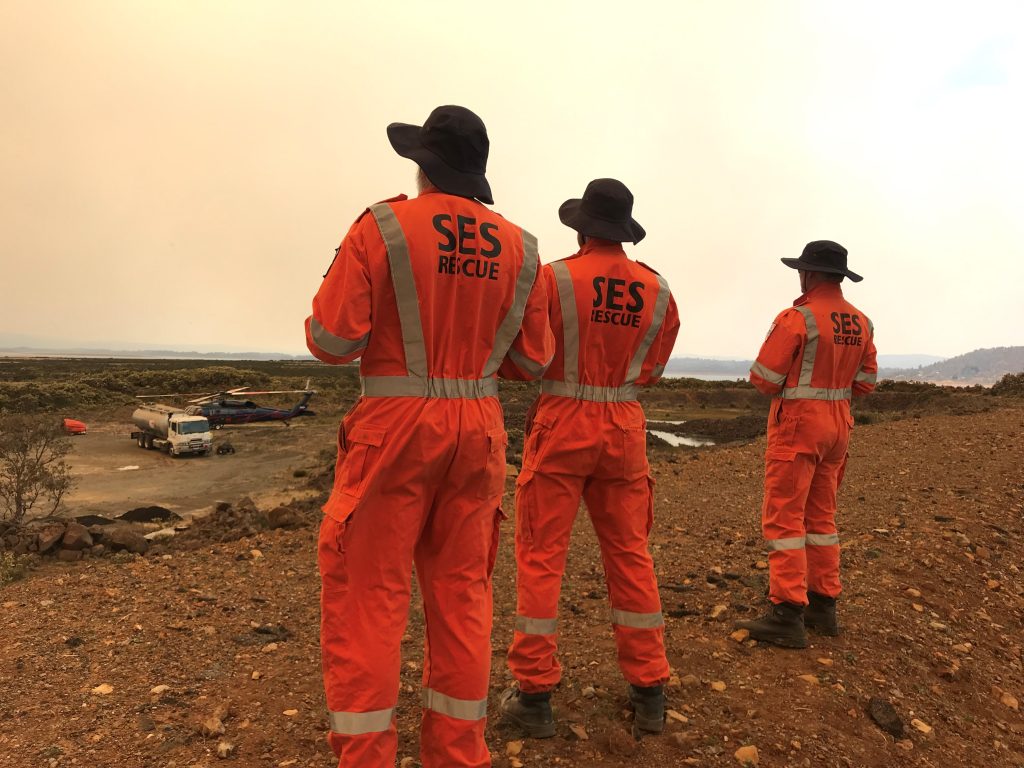
Public information and warnings help communities understand current risks, take protective action and make informed decisions before, during and after emergencies.
Management Authorities are responsible for issuing warnings and public information relevant to the hazards they manage. Information may be distributed through a variety of channels, including TasALERT, agency websites, social media, radio and television.
แทสอะเลิร์ต
TasALERT is Tasmania’s official emergency information website and provides warnings, advice and information about emergencies affecting Tasmania.
แจ้งเตือนฉุกเฉิน
Emergency Alert is the national telephone-based warning system used to send voice messages and text messages to communities at risk.
Hazard-Specific Information Sources
Tasmania’s emergency management arrangements rely on information from a range of hazard-specific agencies and specialist organisations. Depending on the hazard, this information may include weather forecasts, flood intelligence, bushfire information, biosecurity advice, public health information, maritime safety information and critical infrastructure updates.
Public Information and Warnings is explored in greater detail in Module 7.