

การเตรียมความพร้อมคือความสามารถในการพร้อมรับมือ หรือคาดการณ์การดำเนินการเพื่อตอบสนองหรือฟื้นฟูจากความเสี่ยงที่จะเกิดเหตุฉุกเฉิน.
Tasmania’s Preparedness Arrangements
In Tasmania, preparedness is a shared responsibility involving government agencies, local government, emergency services, volunteers, businesses, community organisations and individuals. These organisations work together to develop plans, maintain capability, identify risks and improve readiness across the emergency management sector.
Tasmania adopts a risk-based approach to preparedness. Information from risk assessments, emergency events and hazard intelligence is used to inform planning, capability development, exercising and resource allocation activities. Preparedness arrangements are designed to ensure that effort and resources are focused on the hazards, risks and capabilities that are most likely to impact Tasmania and its communities.
Emergency Management Planning
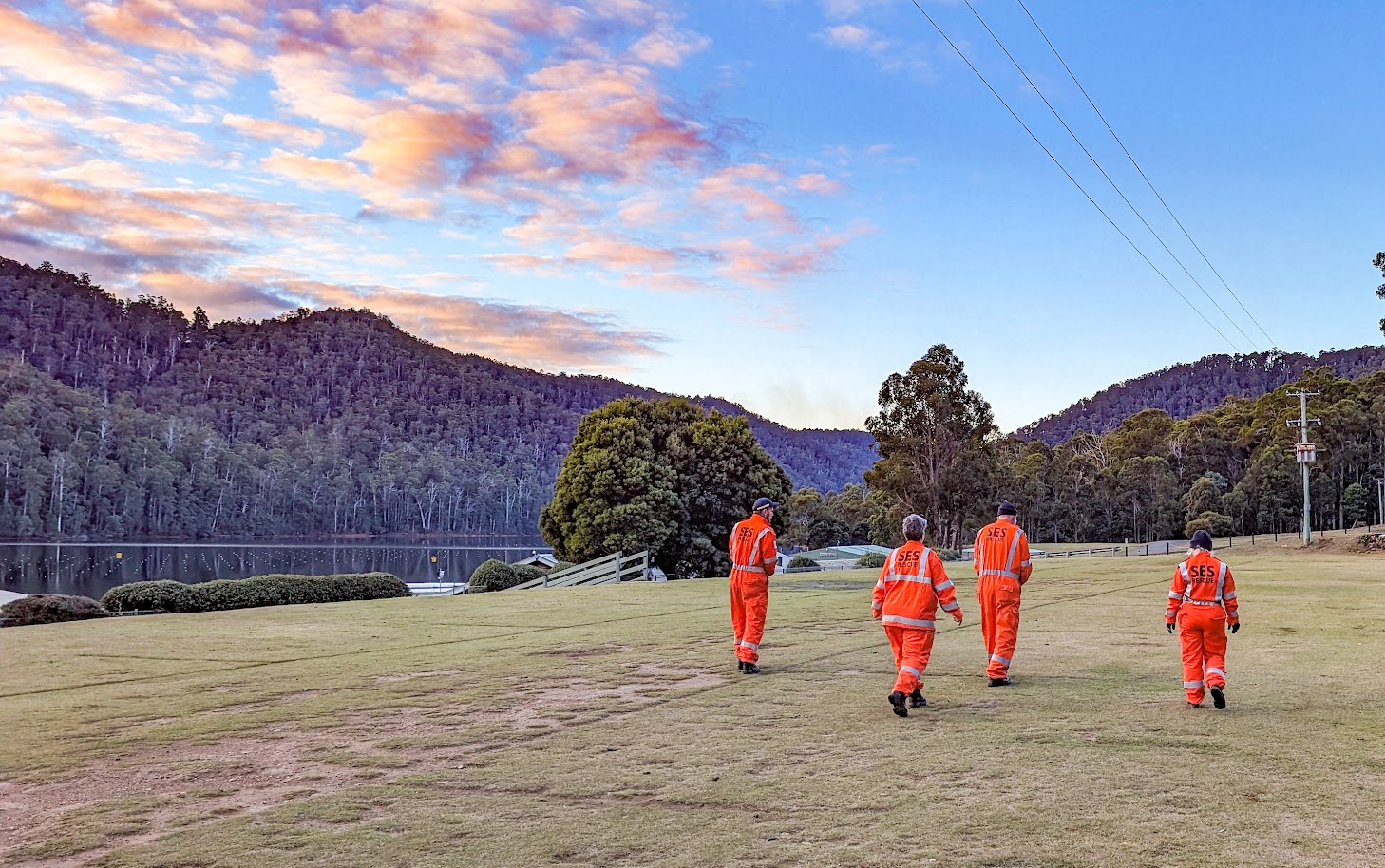
Planning is one of Tasmania’s most important preparedness activities. Emergency management plans document agreed arrangements before an emergency occurs, helping agencies and organisations understand communication arrangements, roles and responsibilities, coordination arrangements, resource requirements, response and recovery processes.
Effective preparedness, however, extends beyond developing plans. It involves establishing governance and coordination structures, building relationships between agencies and organisations, sharing information, identifying and assessing risks, developing common operating procedures, and regularly exercising and reviewing arrangements. These activities help create a shared understanding of hazards, risks, capabilities and responsibilities, enabling organisations to work together effectively when emergencies occur.
Emergency management planning in Tasmania occurs at state, regional, municipal and agency levels and is guided by the Tasmanian Emergency Management Arrangements (TEMA).
Exercising and Continuous Improvement
Plans and arrangements must be tested to ensure they remain effective and fit for purpose.
In Tasmania, exercises are conducted across agencies, committees and levels of government to validate plans, test arrangements and build capability before emergencies occur. Exercises may be conducted within a single organisation or involve multiple agencies and stakeholders at municipal, regional, state or executive levels.
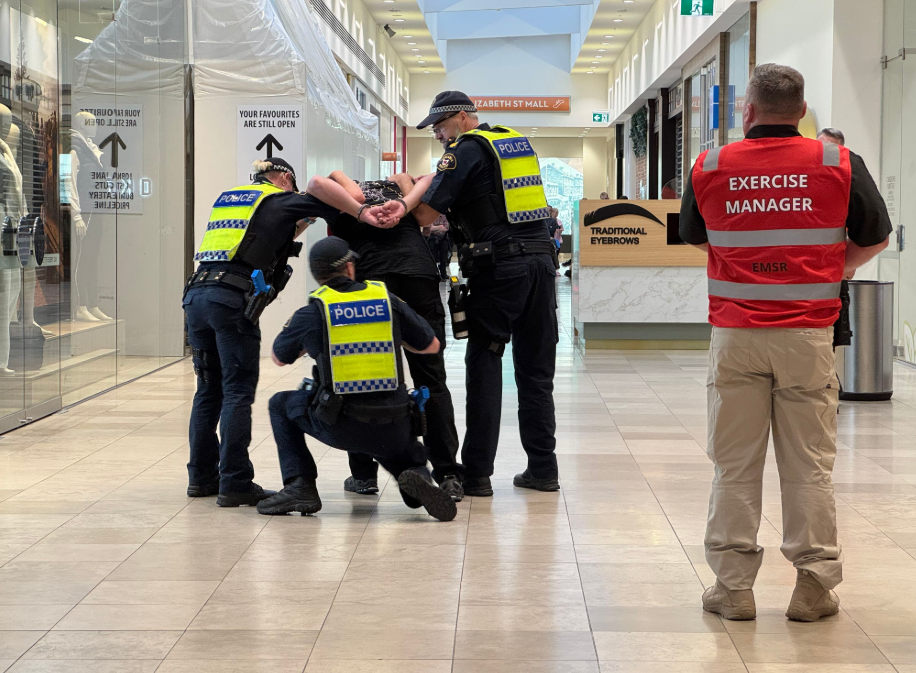
Exercises help emergency management organisations:
| ❯ | Validate emergency management plans and arrangements. |
| ❯ | Develop capability and maintain readiness. |
| ❯ | Practise coordination, communication and decision-making. |
| ❯ | Strengthen interoperability between organisations. |
| ❯ | Identify areas for improvement. |
Tasmania undertakes a range of exercise types, from discussion-based and desktop exercises through to complex multi-agency simulations and operational drills. Exercise design, delivery and evaluation is typically guided by either:
| ❯ | การจัดการแบบฝึกหัด: คู่มือสำหรับหน่วยงานรัฐบาลแทสเมเนีย provides a structured exercise management process for emergency management exercises across Tasmania. |
| ❯ | ANZCTC exercise methodologies may be used where counter-terrorism, security or complex multi-agency exercising requirements apply. |
Evaluation outcomes and Lessons identified through exercises, real emergencies and operational activities help drive continuous improvement across Tasmania’s emergency management sector. Findings may inform updates to plans, procedures, training programs, capability development initiatives and emergency management arrangements.
Capability Development
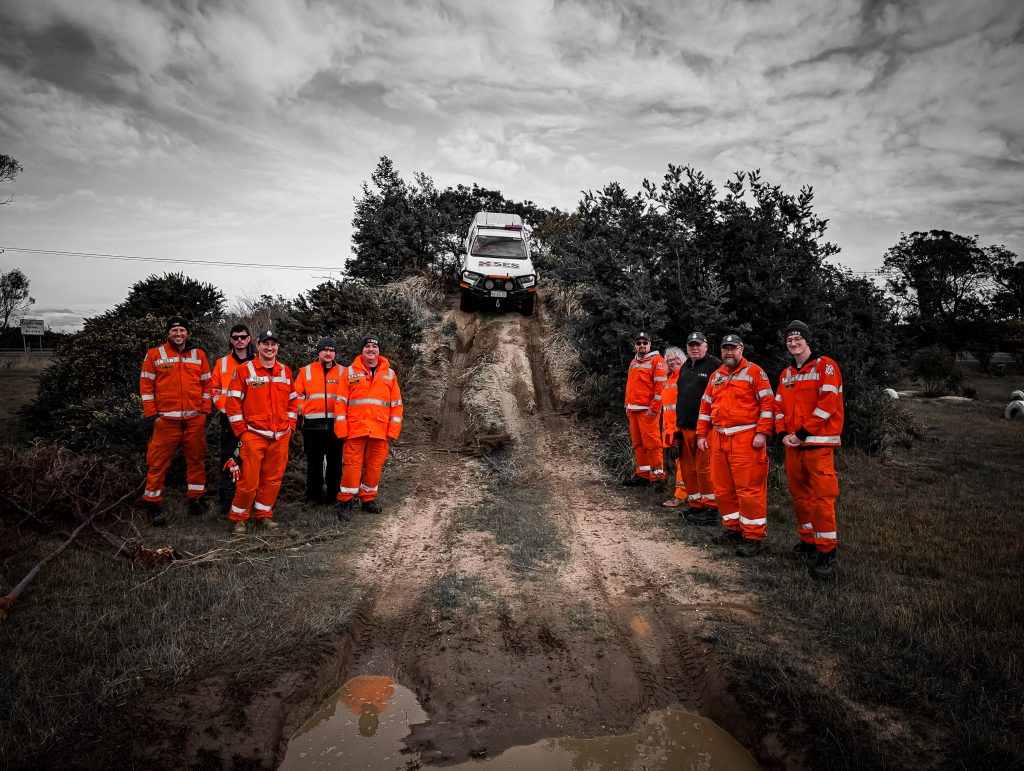
Under Tasmania’s emergency management arrangements, Management Authorities and Support Agencies are responsible for maintaining capability for the hazards, emergency management functions and consequence management responsibilities they support.
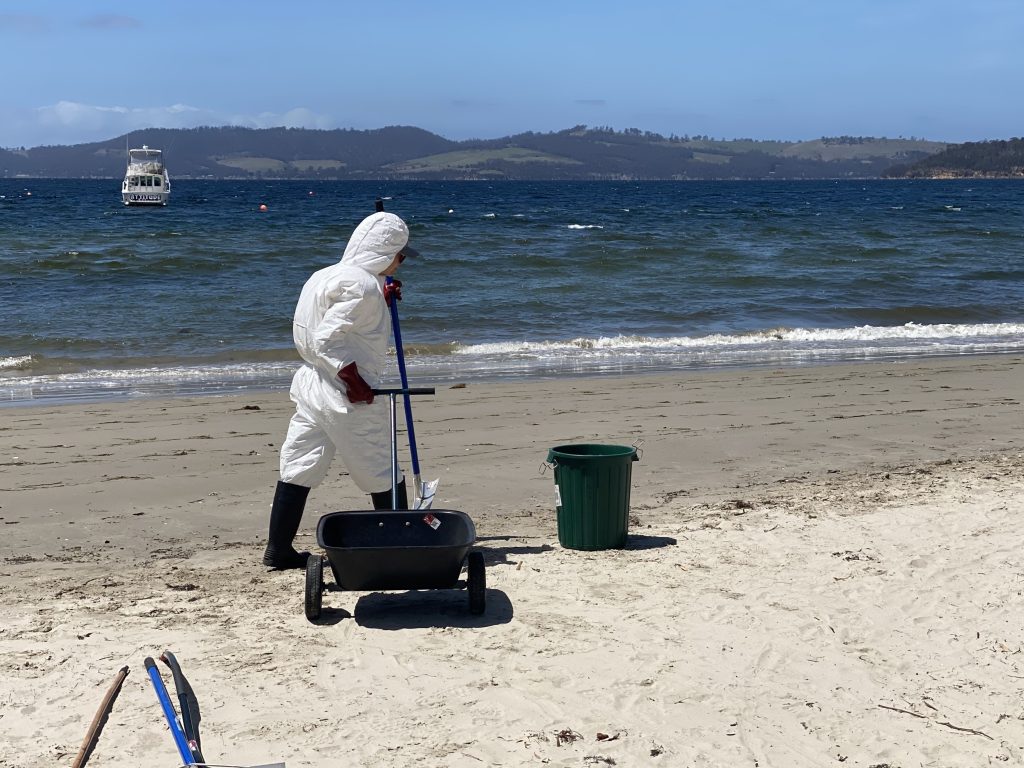
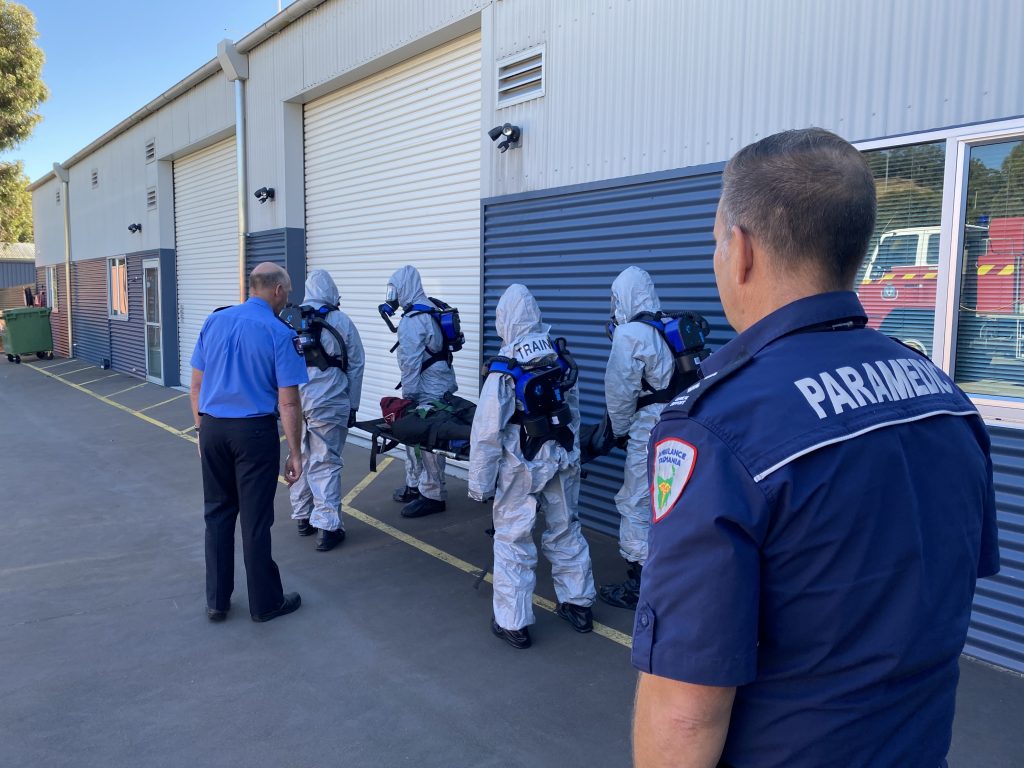
Preparedness includes maintaining the people, systems, facilities and resources required to manage emergencies. Examples include:
| ❯ | Training personnel and volunteers |
| ❯ | Maintaining emergency management facilities |
| ❯ | Developing specialist capabilities |
| ❯ | Maintaining communications systems |
| ❯ | Supporting interoperability between organisations |
| ❯ | Maintaining emergency equipment and resources |
Systems and Information Management
Tasmania maintains a range of systems to support preparedness, coordination and information sharing before and during emergencies. Examples include:
Hazard Monitoring and Forecasting Systems
Agency Information Management Systems
Resource Readiness
Emergency services and emergency management organisations may implement readiness arrangements when emerging intelligence, forecasts or hazard conditions indicate an increased likelihood of emergency activity. Readiness arrangements help ensure personnel, resources and coordination structures can be activated quickly if required.
This may occur for a wide range of hazards, including bushfires, floods, severe weather, public health incidents and biosecurity events.
In Practice
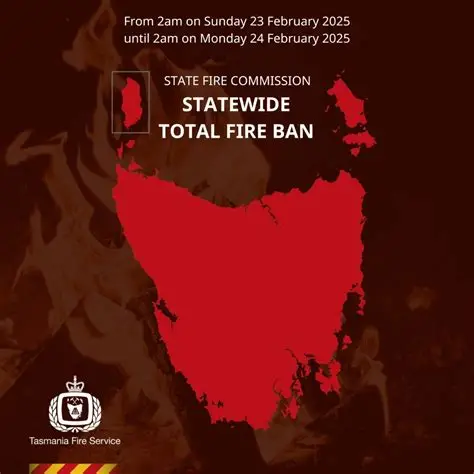
During periods of elevated bushfire risk, such as a Total Fire Ban, emergency services and partner agencies may increase readiness levels and implement preparedness measures.
This may include pre-positioning personnel and specialist equipment, increasing monitoring and intelligence activities, preparing incident management teams and enhancing coordination between agencies and reviewing public information and warning arrangements.
These actions help ensure resources are available where and when they are needed if an emergency occurs.
Community Preparedness
Preparedness is a shared responsibility. Across Tasmania, government agencies, local government, emergency services, community organisations, volunteers, businesses and individuals all contribute to improving community preparedness. Community preparedness activities may include:
| ❯ | Developing household emergency plans and preparing emergency kits to support self-sufficiency during emergencies |
| ❯ | Bushfire Ready Neighbourhoods programs |
| ❯ | Public information and awareness campaigns |
| ❯ | People at Increased Risk in an Emergency planning activities |
| ❯ | Children’s education and school preparedness programs |
In Practice – Ready, Pet, Go !
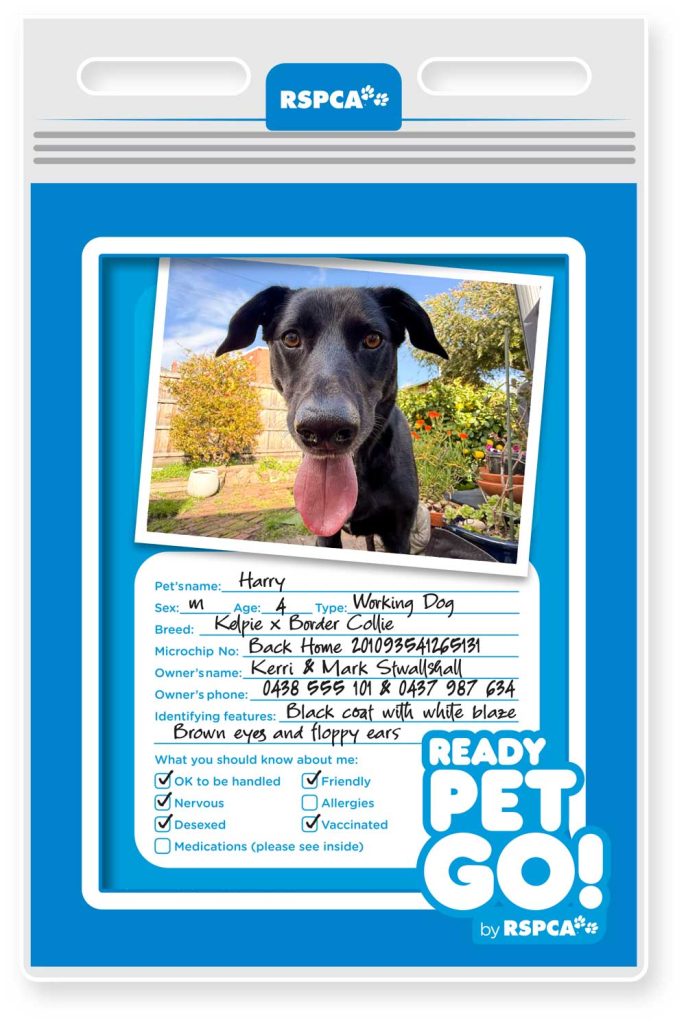
READY, PET, GO! is a community preparedness program developed by RSPCA Tasmania.
It recognises the deep bond between people and animals — and the reality that many people delay or even refuse evacuation because they are worried about their pets.
This program empowers pet owners to plan ahead, stay informed, and make safe, confident decisions when emergencies strike.