
Prevention and Mitigation in Tasmania
Government agencies at all levels undertake prevention programs as part of their day-to-day functions within the scope of their responsibilities.
Prevention and mitigation activities aim to reduce disaster risk and lessen the impacts of emergencies on people, communities, infrastructure, businesses and the environment.
While emergencies cannot always be prevented, many risks can be reduced through informed decision-making, planning, regulation, education and investment.
Tasmania’s prevention and mitigation activities are guided by a risk-based and resilience-focused approach. Building capability and capacity is an important mitigation strategy including developing skill and knowledge sets, and tangible resources.

A Risk-Based Approach
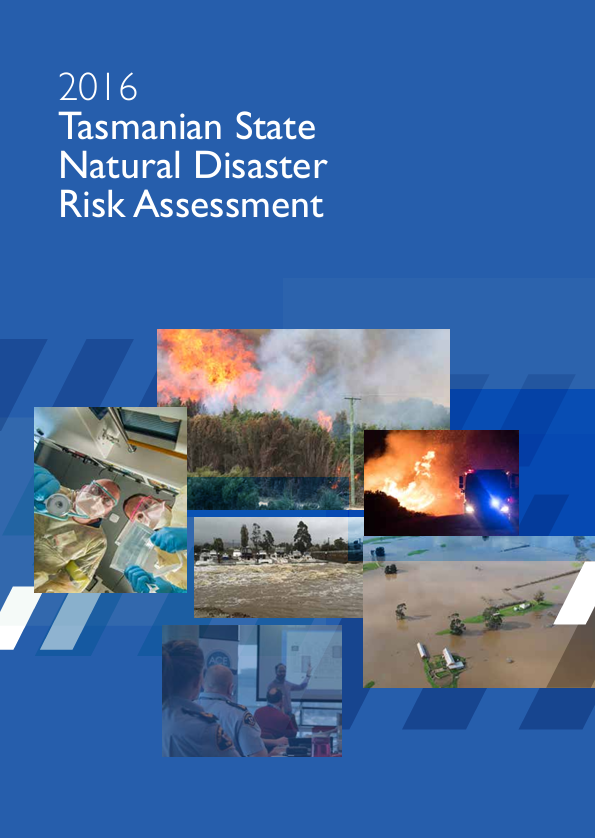
Tasmania’s emergency management arrangements adopt a risk-based approach that focuses effort and investment on understanding and reducing disaster risk. The Tasmanian Disaster Risk Assessment (TDRA) provides a statewide assessment of disaster risks that may affect Tasmania. It identifies the hazards most likely to have significant impacts on the State and supports evidence-based decision-making, planning and investment. Risk information supports land-use planning, infrastructure planning, emergency management planning, resource allocation and community preparedness activities.
This video outlines experiences from people within the emergency management sector in relation to aspects of emergency risk management in Tasmania.
Building Disaster Resilience
The Tasmania Disaster Resilience Strategy provides a statewide roadmap for building resilience to natural, biological and human-caused disasters.
The Strategy promotes a coordinated, all-hazards approach to disaster resilience and supports collaboration between governments, businesses, community organisations and individuals.
It recognises that:
| ❯ | Today’s disasters require more than an emergency response. |
| ❯ | Understanding and reducing risk is everyone’s responsibility. |
| ❯ | Building resilience is a whole-of-community effort. |
| ❯ | Investment in prevention and mitigation helps reduce future impacts. |
The Strategy supports Tasmania’s vision of a safer, more resilient state that can anticipate, withstand, adapt to and recover from disasters.
Prevention and Mitigation Activities in Tasmania
Prevention and mitigation activities help reduce disaster risk and strengthen community resilience. These activities are undertaken by governments, organisations, businesses and individuals across Tasmania.
Who Is Involved?
| ❯ | State Government Agencies develop policies, regulations and programs that help reduce disaster risk and strengthen resilience. |
| ❯ | 地方政府 supports land-use planning, community education, emergency management planning and local resilience. |
| ❯ | 危害諮詢機構 provide specialist advice on hazards, risks and the adequacy of arrangements to manage those risks. |
| ❯ | Businesses, Industry and Infrastructure Owners manage risks associated with their assets, services and operations. |
| ❯ | Communities and Individuals contribute by understanding local risks, preparing for emergencies and taking practical actions to reduce vulnerability. |
A wide range of prevention and mitigation activities are undertaken across Tasmania to reduce disaster risk, such as:
Bushfire Risk Reduction
Flood Mitigation
Land Use Planning
Public Health
Infrastructure Resilience
Community Education
Prevention and mitigation activities help reduce vulnerability and lessen the impact of emergencies before they occur. Investing in prevention often reduces the social, environmental and economic consequences of future disasters.
Further Reading