
Shared Responsibility
应对紧急情况并非政府一家的责任。关键的非政府利益相关者、家庭和社区所承担的共同角色和责任带来了诸多益处。.
紧急情况并非政府的事。必须牢记:
| ❯ | 责任在塔斯马尼亚州各关键部门之间的交接安排是应急管理的关键组成部分。. |
| ❯ | Shared and defined responsibilities exist across sectors and levels within the community. |
| ❯ | An effective state framework for emergency management requires a high level of collaboration and coordination. |
| ❯ | Tasmania’s emergency management sector includes specialist individuals and organisations with accountabilities and/or formally defined roles. |
这包括:
- Individuals and families
- Business, Industry and primary producers
- Owners and operators
- Schools, childcare and aged care providers
- 社区组织
- Local
- State
- 国家
- Critical infrastructure and service providers
- Broadcasters and other information disseminators
- Not-for-profit sector and emergency management volunteers
- Insurance industry
- Design, building and construction industries
- Land-use planners and natural resource management bodies
- Scientists and research organisations
- 危害咨询机构
- 管理部门
- Support agencies for specific functional or consequence management areas
Governance and Responsibilities
The Tasmanian government has primary responsibility for emergency management legislation, policies, and frameworks within Tasmania.
Tasmania’s governance structures for emergency management aims to enable effective coordination across key players. Partnerships across all levels of government and sectors underpin these arrangements.
Tasmania’s emergency management governance arrangements operate across state, regional and municipal levels to support strategic direction, coordination and oversight.
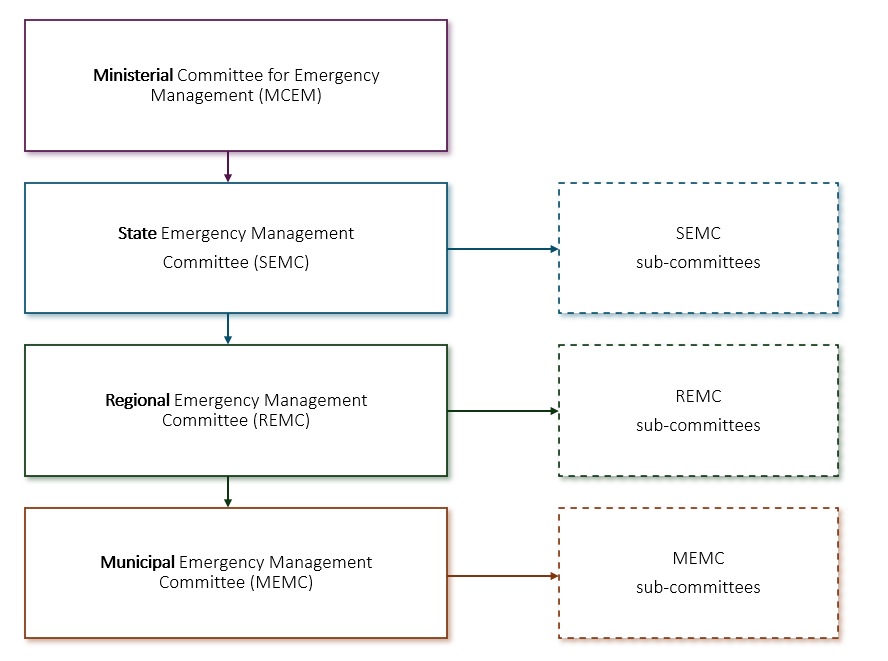
What functions do Emergency Management Committees perform?
- Imposes functions relating to emergency management on the SEMC, the State Recovery Coordinator and the State Recovery Advisory.
- Ministerial-level strategic policy oversight of measures to prevent, prepare for, respond to and recover from emergencies
- The Premier chairs the MCEM
- Coordinates and supports emergency management planning, including the TEMA and State Emergency Management Plans.
- Reviews the management of emergencies that involve more than one region and other emergencies as the SEMC considers appropriate
- Identifies and promotes opportunities for improvement in emergency management
- Assists the State EM Controller to perform their functions and powers
- Other emergency management functions improved by the Minister for DPFEM or any relevant legislation
- The State EM Controller chairs the SEMC
- Coordinate and/or support the coordination of emergency management in the regional area
- Support emergency management Planning, including Regional Emergency Management Plans
- Links with regional hazard-specific governance
- To assist the Regional EM Controller to perform their functions
- Regional Social Recovery
- The Regional EM Controller Chairs the REMC
- Coordinate and/or support the coordination of emergency management in the municipal area or combined municipal area.
- Support emergency management Planning, including Municipal Emergency Management Plans
- To assist the Municipal Emergency Management Coordinator or Council to perform their functions
- Affected Area Recovery Committee
- Two or more councils may establish a Combined Area MEMC where this better supports emergency management arrangements across neighbouring municipal areas.
The basic requirements for an Emergency Management Committee are:
| ❯ | Undertake an assessment of the risks associated with the geographic area or specific hazard. |
| ❯ | Prepare an emergency management plan for the area or areas for which the committee has responsibility. |
| ❯ | Ensure the plan details the arrangements, governance and coordination of emergency management within the Municipal Emergency Management Committee area. |
Watch the Tasmanian video Introduction to the Relationship between the REMC and MEMC:
Key Emergency Management Roles
State Emergency Management Controller

The State Emergency Management Controller is established under the 2006年应急管理法 and is responsible for coordinating Tasmania’s emergency management arrangements. The State Controller:
| ❯ | Coordinates emergency management activities across Tasmania. |
| ❯ | Supports the SEMC in performing its functions. |
| ❯ | Provides leadership during significant emergencies. |
| ❯ | Coordinates emergency management arrangements when activities extend beyond a single region or involve multiple agencies. |
The Commissioner of Police is also the State Emergency Management Controller.
Regional Emergency Management Controllers

Regional Controllers support emergency management arrangements within their respective regions (south, north and west) and coordinate activities when emergencies require a regional-level approach.
Each emergency management region has a Regional Controller appointed under the 2006年应急管理法.
Regional Emergency Management Coordinatior
The three SES Emergency Management Unit Regional EM Coordinators ensure connectivity and support (particularly in preparedness and response) for local government and regional emergency management stakeholders, including the Regional Emergency Management Controllers. These roles are effectively advisors to the Regional Emergency Management Controllers across all phases of emergency management.
State Recovery Advisor

The State Recovery Advisor is a statutory appointment under the 2006年应急管理法 responsible for ensuring Tasmania’s recovery arrangements are prepared and maintained, providing strategic advice, supporting recovery coordination, and overseeing recovery planning and transition arrangements.
During significant emergencies, the State Recovery Advisor may advise on recovery priorities, coordination arrangements and longer-term considerations to support effective recovery outcomes.
The State Recovery Advisor role is currently fulfilled by the Department of Premier and Cabinet (DPAC)
Municipal Council
Municipal councils play a fundamental role in Tasmania’s emergency management arrangements. Through their local knowledge, community networks and understanding of municipal risks, councils contribute across all phases of prevention, preparedness, response and recovery. Councils are often well placed to identify community needs, vulnerable populations and local resources that may support emergency management activities.
Under the 2006年应急管理法, councils have a range of responsibilities that support emergency management within their municipal area. These responsibilities include (but not limited to):
| ❯ | Provide resources and facilities to manage emergencies within the municipal area. |
| ❯ | Provide facilities and resources for council-supported volunteer SES Units. |
| ❯ | Support the operation of Municipal Emergency Management Committees. |
| ❯ | Identify, prepare and manage the municipality’s evacuation centre. |
| ❯ | Coordinate recovery activities in partnership with affected communities and government agencies. |
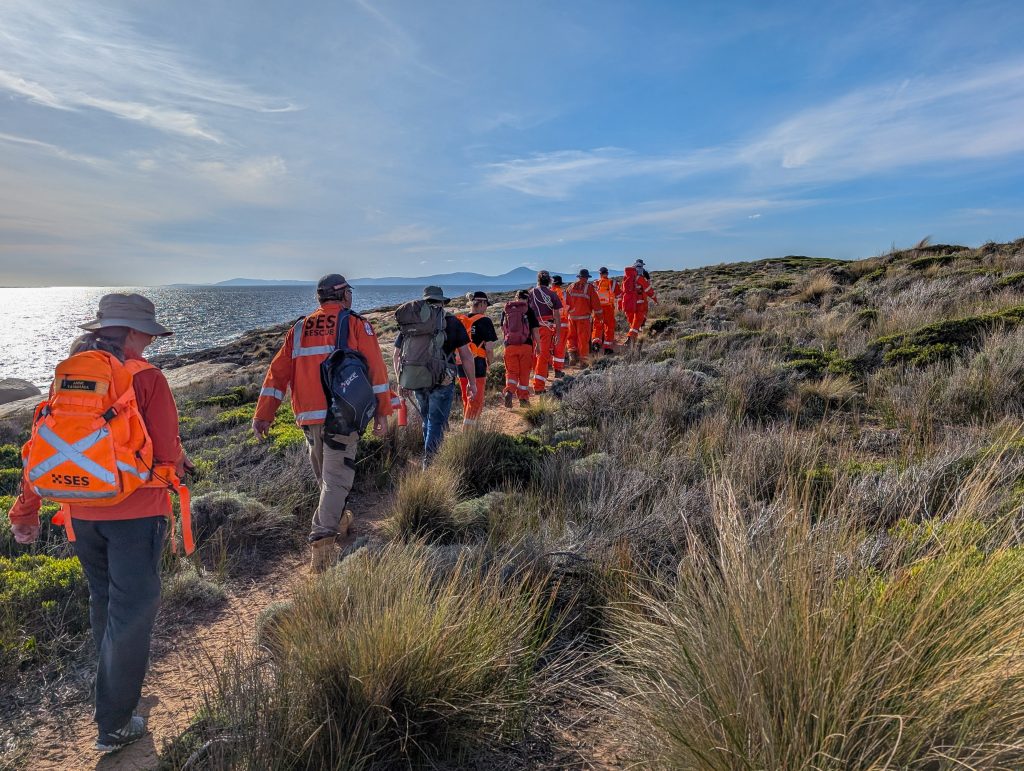
Key municipal emergency management roles include:
Municipal Emergency Management Coordinator
Supports local emergency management activities and works closely with council, emergency services, government agencies and community organisations.
Municipal Recovery Coordinator
Supports the planning and coordination of recovery activities within the municipality.
The Municipal Emergency Management Coordinator and Deputy Municipal Emergency Management Coordinator are nominated by the council and appointed by the Minister under section 23 of the 2006年应急管理法.
Emergency Management Sector Roles
Hazard and/or function-specific plans outline emergency management roles and activities. Where there are no specific plans, the approaches included in the TEMA are to be used. This may be complemented by national plans or arrangements.
The three types of emergency management sector roles include:
Response Management Authorities
支持机构
Hazards Advisory Agencies
These roles are explored in more detail in the 回应 topic.
Further reading