

Response Coordination
Most incidents are managed effectively by the Response Management Authority. As an incident grows in size and complexity so too does the need for sharing information, coordinating resources and exercising oversight. There may be a requirement for regional and state level arrangements to be activated for managing and coordinating resources, consequences and public information across the region or state.
在塔斯马尼亚,有三个层级的响应安排:市政、区域和州。此外,还存在国家危机协调的现有安排。点击可查看路径:
| ❯ | Maintains an overview of Tasmania’s commitments and potential external resource requirements. |
| ❯ | Maintains a statewide overview of agency commitments and potential external resource requirements. |
| ❯ | Assists regional and local-level response through the coordination of resources, including external resources where required. |
| ❯ | Oversees consequence management and early recovery planning. |
| ❯ | Maintains an overview of incident activities, resources and consequence management for incidents occurring within the region. |
| ❯ | The owner, manager or Response Management Authority responsible for managing activities at the incident site and resolving the incident. |
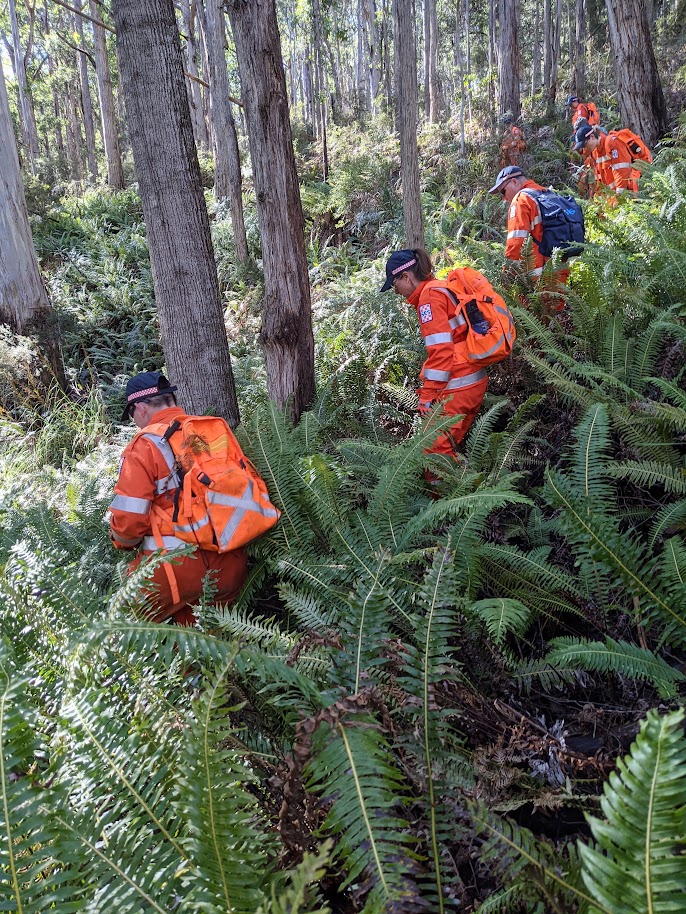
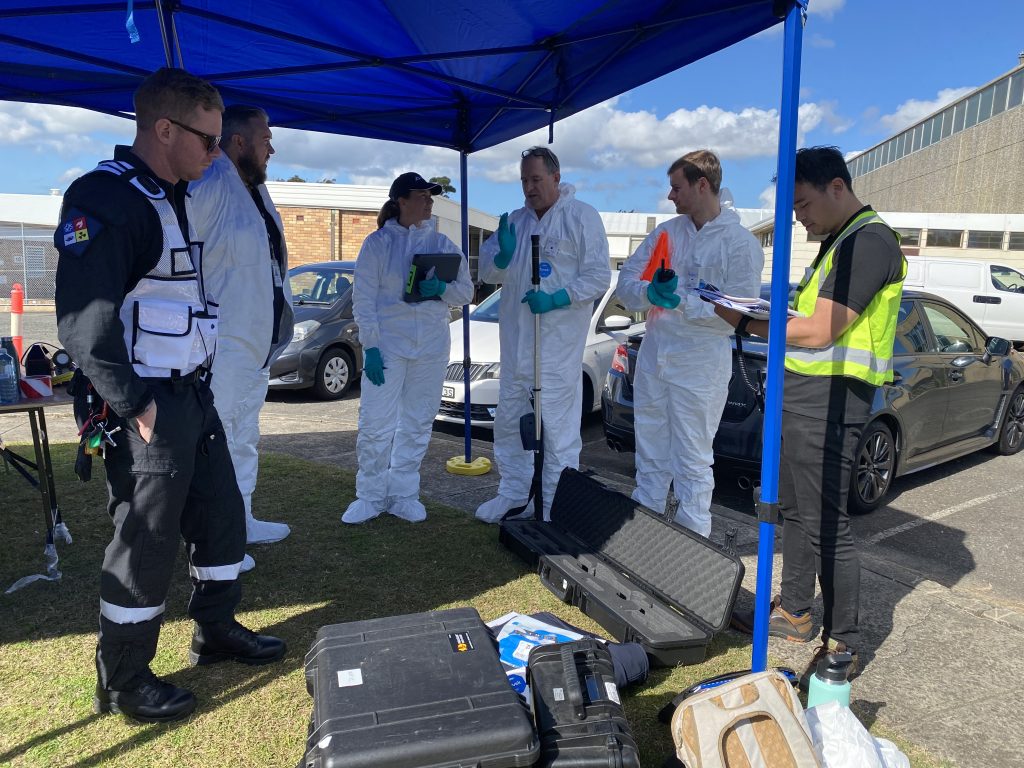
Briefings
SMEACS 是一个供响应者和支持响应的人员使用,并将关键信息以简报形式呈现的缩略词。该缩略词代表:
| ❯ | S情况 |
| ❯ | M任务 |
| ❯ | E执行 |
| ❯ | A管理 |
| ❯ | Command and Communication |
| ❯ | S安全 |
在事件 during an incident 期间,保持简洁准确的记录非常重要。这些记录在不同组织之间可能格式各异,但至关重要,因为它们将为事后简报和经验教训总结提供宝贵的证据。事件管理团队负责记录为解决事件而采取的所有决定和行动,无论事件的大小和持续时间如何。.
汇报
Each agency or organisation is responsible for debriefing its personnel. Debriefs should be held as soon as practicable after the response and/or recovery operation, while demonstrating due respect for the outcomes of the emergency.
在紧急事件发生后,一些具体的问题必然需要进行调查,尤其是为了持续改进。操作性汇报的主要目的是:
| ❯ | Acknowledge the input of all contributing organisations and individuals. |
| ❯ | Acquire the input of all contributing organisations and individuals. |
| ❯ | Acquire constructive feedback from all involved on observations, insights and lessons. |
| ❯ | Identify gaps in training, planning and operational systems. |
| ❯ | Determine actions to improve plans, procedures and systems. |
| ❯ | Foster effective inter-agency communication. |
| ❯ | Identify issues that require further investigation or additional debriefing. |
互操作性安排
The management of a sustained or complex emergency will require the combined resources of multiple agencies. Any agency may request resources, including skilled emergency management personnel, from other agencies or organisations within Tasmania to enable more effective management of the emergency. To facilitate the adaptability and scalability of emergency management arrangements, the Tasmanian Government ensures interoperability between agencies and relevant organisations in terms of systems, terminology, training, skills, roles and functions.
The interoperability arrangements are managed and coordinated through the Department of Premier and Cabinet.
疲劳管理
Emergency operations can continue for extended periods and may require personnel to work under demanding and stressful conditions. Effective fatigue management is essential to support the safety, health and wellbeing of personnel and maintain operational effectiveness. Personnel involved in incident management should:
| ❯ | Monitor their own wellbeing and recognise signs of fatigue. |
| ❯ | Take regular breaks and maintain adequate hydration and nutrition. |
| ❯ | Follow organisational shift and rostering arrangements. |
| ❯ | Raise fatigue-related concerns with supervisors as early as possible. |
Effective fatigue management supports sound decision-making, situational awareness, communication and operational performance during emergency operations.
Consequence Management
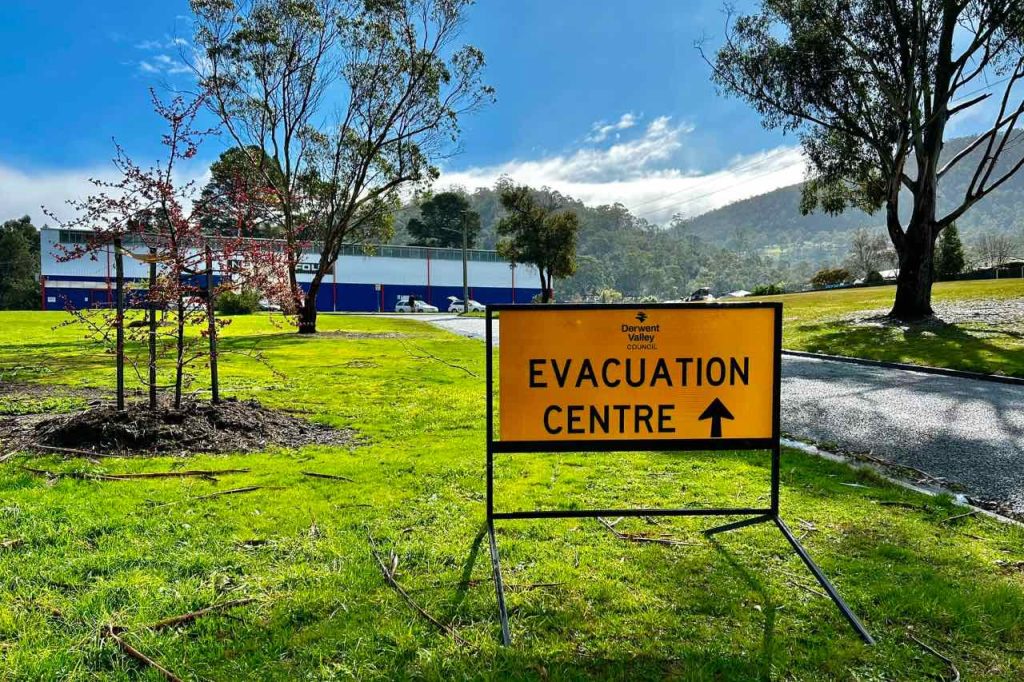
Consequence management focuses on coordinating activities that address the impacts of an emergency on communities, infrastructure, the economy and the environment. While Incident Management Teams are primarily focused on resolving the incident, Emergency Coordination Centres help coordinate the information, resources and support required to manage the broader consequences of the event.
As the impacts of an emergency extend beyond the incident itself, Emergency Coordination Centres provide a mechanism for agencies and organisations to work together, support affected communities and facilitate the transition to recovery. Typical consequence management activities:
| ❯ | Community information and warnings. |
| ❯ | Resource coordination. |
| ❯ | Relief services. |
| ❯ | Emergency accommodation. |
| ❯ | Welfare support. |
| ❯ | Infrastructure restoration. |
| ❯ | Recovery planning. |
WebEOC
WebEOC is Tasmania’s emergency information management system. It supports situational awareness, information sharing and coordination between agencies and organisations involved in emergency management.
Information captured in WebEOC helps support incident management, consequence management and recovery activities by providing a common operating picture and a shared source of information for decision-makers. The system may be used by Incident Management Teams, Emergency Operations Centres and Emergency Coordination Centres to record information, manage tasks and support coordinated decision-making during emergency events.
Module 3 provides an introduction to WebEOC.
Transition to Recovery
Incident management does not end when the immediate threat is controlled. Throughout the response phase, consideration is given to relief, consequence management and recovery requirements. Early planning supports a smoother transition from response to recovery and helps affected communities begin the recovery process as quickly as possible.